A modern Hamnet herb garden
Hamnet, directed by Chloé Zhao and starring Paul Mescal and Jessie Buckley as Will and Agnes, was my introduction to the nine herb charm in ancient Anglo-Saxon traditions. It is a healing practice and symbolic thread throughout the film, foundational to the tragedy as well as Agnes’ return from the hell of grief to the hope of the living as she, and the audience, embrace the dying Hamlet.
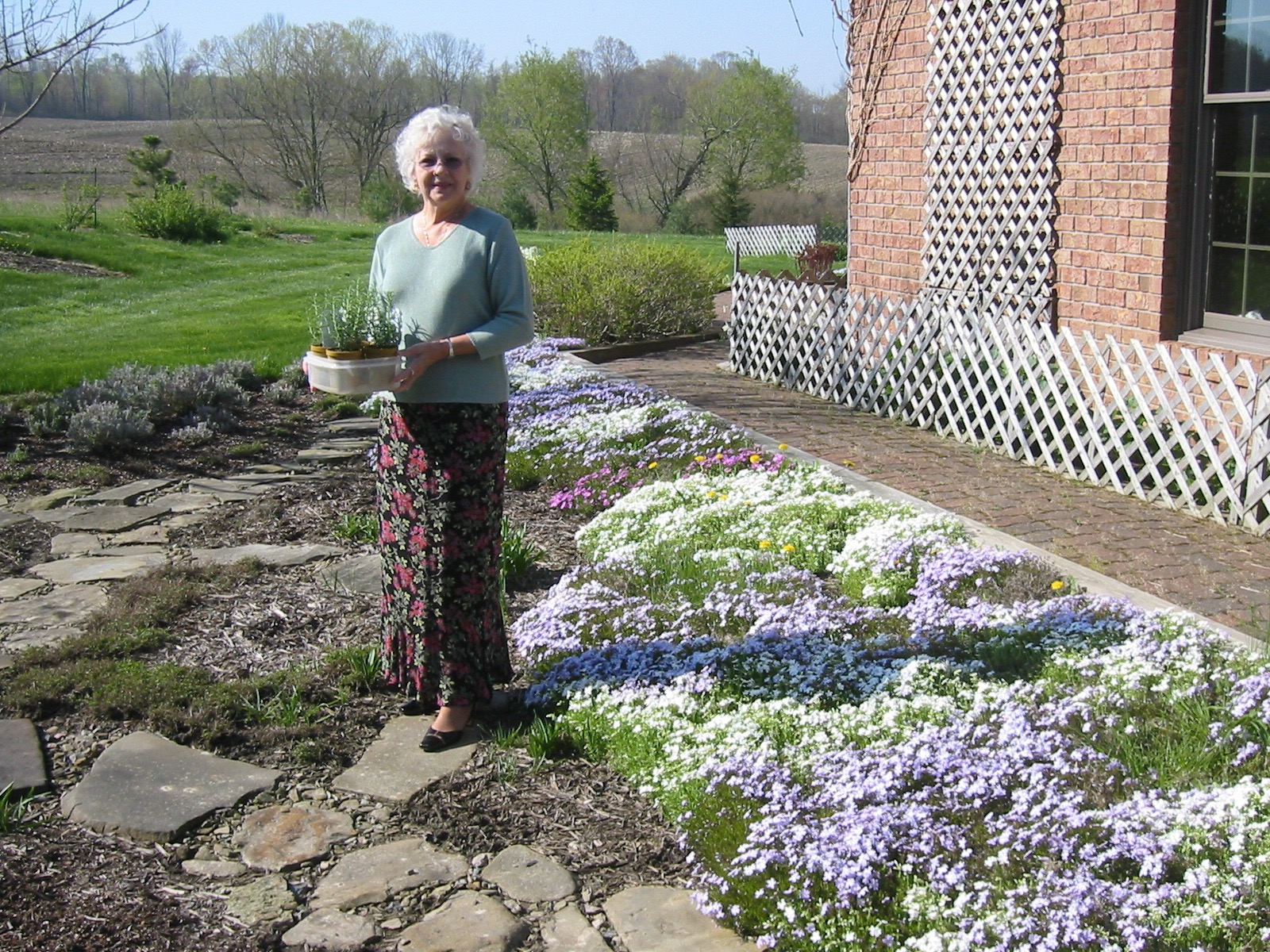 My mother was a keen herbalist, with a large stone-and-herb garden and sachets of drying herbs in the attic. I’m an urban gardener with a passion for “interesting,” unusual plants with a culinary bent. In the midst of winter after watching Hamnet, I became fascinated with the nine herb charm. How much of it could I grow, today? What of it holds my culinary interest?
You’re called Una, that most ancient plant.
You defeat three, you defeat thirty, you defeat venom, you defeat air-illness; you defeat the horror who stalks the land.
Zhao’s film used Hopkin’s English translation of the Nigon Wyrta Galdor, the Nine Plants Spell. It is the definitive discussion of this Old English healing spell, and includes translation methodology, interpretation notes, analysis of structure and form, and context. An incredible read, especially if you have an interest in Old English.
There’s not a scholarly agreement on the modern plant identifications of every plant in the Nigon Wyrta Galdor. The commonly accepted equivalents (thanks, AI) are:
| Old English / English | Likely modern common name | Botanical name |
|---|---|---|
| Mucgwyrt (mugwort) | Mugwort | Artemisia vulgaris 123 |
| Wegbrade (waybread) | Greater plantain | Plantago major 124 |
| Lombes cyrse (lamb’s cress) | Hairy bittercress or watercress-type cress (debated) | Often given as Cardamine hirsuta; sometimes linked to Nasturtium officinale 1253 |
| Attorlaðe | “Venom-loather”; often identified as betony or fumitory (debated) | Commonly suggested: Stachys officinalis (betony) or Fumaria officinalis (fumitory) 163 |
| Mægðe (maythe) | Chamomile / mayweed | Often Matricaria chamomilla (German chamomile) or related mayweed in Asteraceae 126 |
| Nettle | Stinging nettle | Urtica dioica 124 |
| Wudusuræppel | Crab apple / “sour-apple-of-the-wood” | Commonly Malus sylvestris 123 |
| Fille | Chervil | Commonly Anthriscus cerefolium 23 |
| Finol | Fennel | Foeniculum vulgare 124 |
Let’s consider this in three categories.
Common
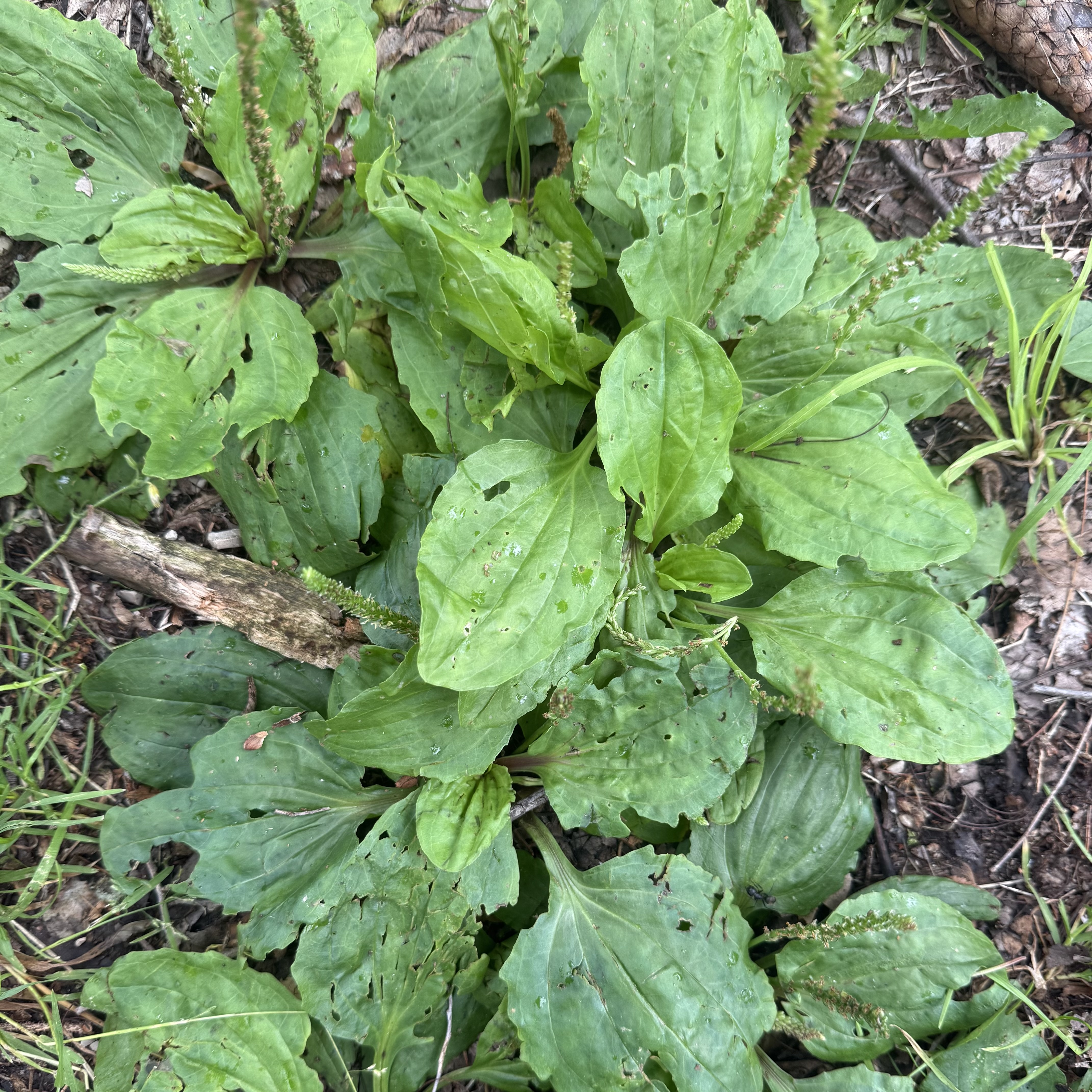
- Plantain: the great surprise is how common plantain is — found in nearly every yard and field here in the midwest. It has antimicrobial and anti-inflammatory properties, especially useful against bug bites when mashed into a pulp. I don’t grow it but it’s absolutely everywhere around the garden.
- Watercress: requires a wet environment to grow. I have the benefit of a Mexican fruit and vegetable market close by where watercress is a staple. Full of antioxidants and vitamin C, I love it in watercress soup.
- Chamomile: famous as a calming, sleep inducing tea, contains apigenin and other anti-inflammatory, antispasmodic, anti-anxiety flavonoids. I’m trying to grow this for the first time this year, although the quantities needed for real benefit throughout winter are greater than the space I have available. More for fun.
- Crab apple: fascinating to see this categorized as a healing plant. While I don’t grow it, jam makers know crab apple well for their particular power of pectin, essential for a jammy texture.
- Fennel: I love the flavor of fennel bulbs, and use fennel seeds often, especially with pork dishes. I grew this fantastic plant for two seasons in my garden, more for seeds than bulb. Advantages: massively bee friendly; all the bugs were in my allotment. Huge amounts of seeds across just 4 or 6 plants. It also acted as a perennial, even in Chicago’s harsh winter. Disadvantages: really took over and self seeded. I still get fennel fronds popping up. I enjoy them with eggs.
Unusual
- Mugwort: I first came across mugwort in Korean cuisine, where it is used in soups and kimchi. I buy it on the occasion at the K-Mart.
- Stinging nettle: more of a foraging find then something to grow, although it could serve as a just dessert for the thieves who regularly steal from the community garden! I occasionally see it at farmer’s markets, with the stinging portion already denatured. Blended with ricotta it makes an essential stuffing for Italian ravioli.
- Chervil: Here’s a classic French culinary herb, which when blended with parsley, chives and tarragon makes the traditional fines herbes in French cooking. Especially valued with omelettes, fish, chicken, and other light sauces. Given my love of fennel and the sometimes overpowering strength of tarragon, which I’m currently growing, I need to plan this for next year.
Unknown
- Betony/Fumitory: interestingly in the family of poppy plants. Contains powerful alkaloids and has been used in since antiquity. Apparently popular in Europe herbal traditions; I’ll be avoiding this one for now. Wikipedia details.
My takeaway from this pleasant diversion? It’s well worth exploring the Nine Herb Charm from a cultural, historical, and translation perspective: it really lays the groundwork for western herbal traditions. Chloé Zhao makes great use of it as a framing tool for Hamnet, where it both empowers Jesse Buckley’s Agnes and leaves her bereft in the face of death and their son’s stoic choice.
Go see the film, and grow some herbs!